
Key Takeaways
- Physical therapy helps seniors maintain strength, balance, and the freedom to move around at home
- Guided movement can ease strain and arthritis pain without relying heavily on medication
- Different types of therapy support recovery from surgery, injury, and conditions like Parkinson’s disease
- Early signs, like trouble rising from a chair, avoiding stairs, or using furniture for balance, are worth noticing
- Senior living communities can blend daily care with support that improves comfort and regular movement
How Physical Therapy Supports a Senior’s Daily Life
You may have noticed a loved one taking a little longer to stand up from their favorite chair, or gripping the handrail more tightly on the stairs. Small changes like these can chip away at the freedom to move through the day with ease.
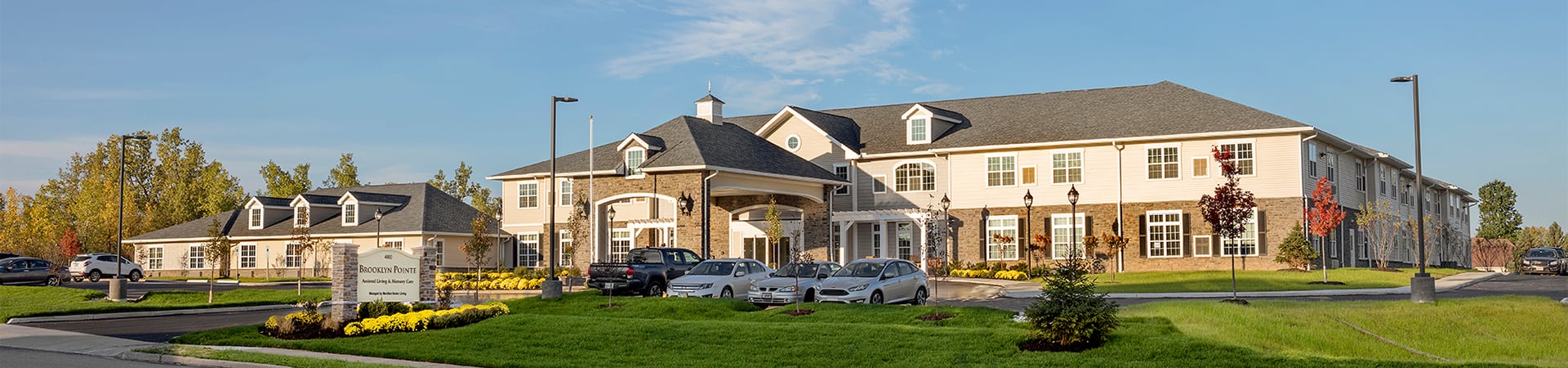
At Brooklyn Pointe Assisted Living and Memory Care, our team knows how guided movement can help.
Physical therapy helps seniors build strength, improve balance, and stay independent through personalized exercise plans that address age-related changes and support everyday movement.
What Physical Therapy Means for Seniors
Physical therapy is more than a set of exercises. It’s guided movement that supports strength and mobility, tailored to what each person’s body needs right now. A trained professional watches how someone moves and then builds a plan around it.
Because bodies change with age, these plans account for stiffer joints, slower recovery, and shifting balance. The goal is simple. Help your loved one keep doing the things they enjoy at home, from reaching a top shelf to walking to the mailbox without worry.
Top Benefits of Physical Therapy for Seniors
Balance and Fall Prevention
Steady footing makes a real difference. Stronger coordination reduces the chance of a fall, meaning fewer bumps, bruises, and trips to the doctor.
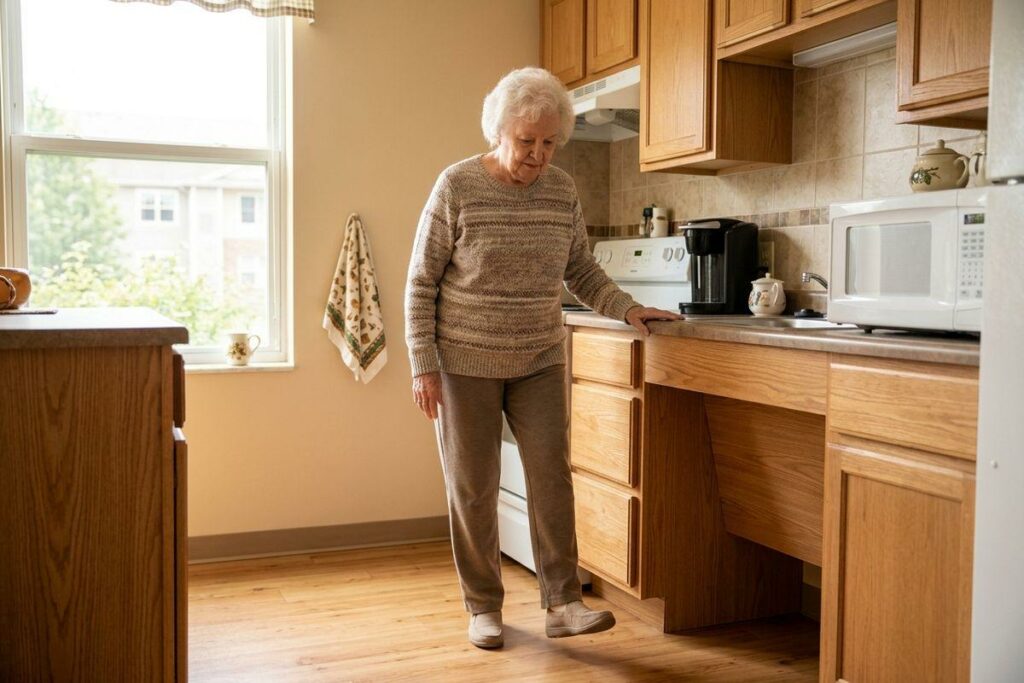
Targeted balance exercises, like standing on one foot near a counter or practicing careful steps, help build the stability needed for daily life.
Over time, these small drills add up. Your loved one can move around the kitchen or garden feeling more grounded and secure.
Pain Relief Without Heavy Medication
Many aches come from weak or stiff muscles pulling on joints. Movement can address the root of that discomfort rather than just masking it. For arthritis, gentle, steady exercise offers a natural way to loosen joints and ease soreness.
This approach means your loved one may rely less on pills to get through the day. They gain tools they can use anytime the stiffness creeps back.
Improved Mobility and Daily Independence
When walking, standing, and bending feel easier, everyday tasks stop feeling like chores. Getting dressed, cooking a meal, or stepping outside becomes smoother. That’s real freedom around the home.
Improved mobility also makes social moments easier, like joining friends for lunch or playing with grandchildren on the floor.
Common Types of Physical Therapy for Seniors
Not every plan looks the same, because not every need is the same. A few common approaches include:
- Geriatric therapy, which focuses on age-related changes like weaker muscles and slower balance
- Orthopedic therapy, which helps with recovery after surgery, a fall, or a joint injury
- Neurological therapy, which supports people managing Parkinson’s or recovering from a stroke
A professional can help match the right type to your loved one’s situation. Each path aims to restore movement and comfort at a pace that fits.
When to Consider Physical Therapy
Early Signs Worth Noticing
Sometimes the body sends quiet signals before a bigger problem shows up. A few worth watching for include:
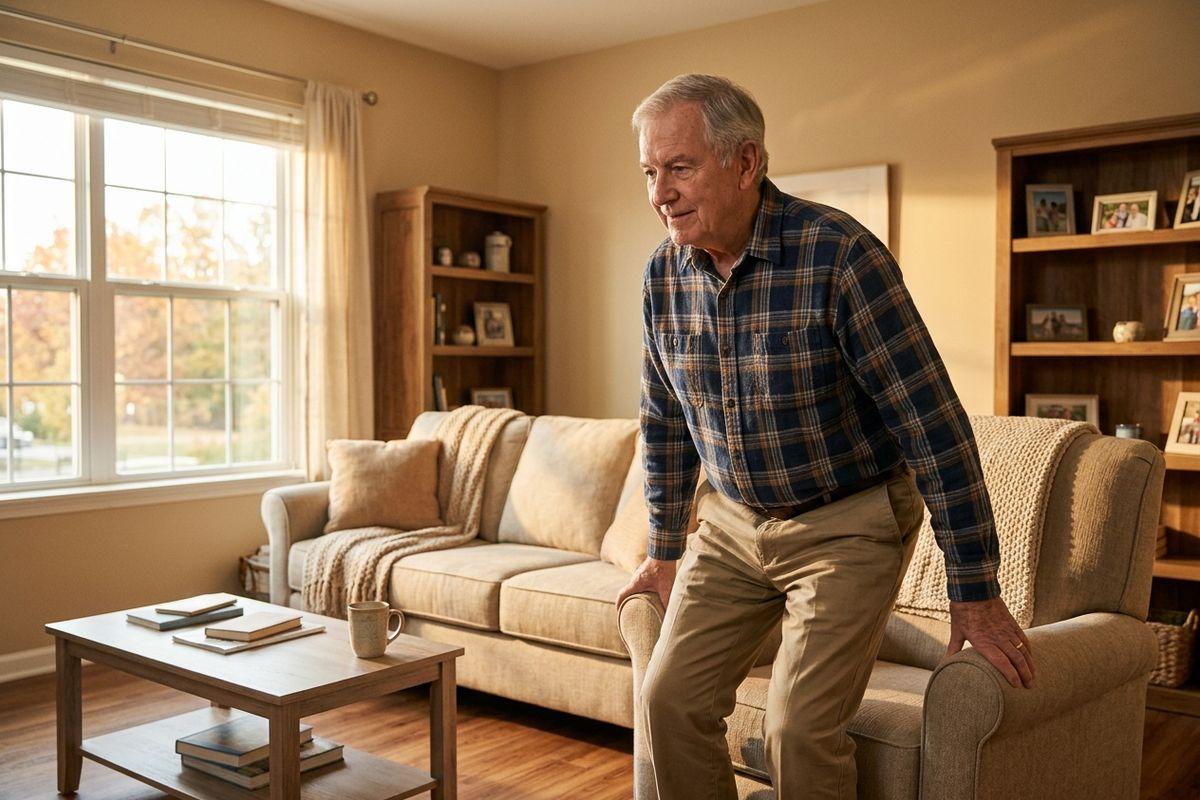
- Trouble rising from a chair or needing to push off with both arms
- Balance that feels different and less natural than it used to
- Stairs or curbs that suddenly feel harder to manage
- Difficulty reaching up to a shelf that once felt easy
If any of these sound familiar, it may be a good time to look into support. Acting early can help keep small issues from growing.
What Sessions Look Like
A typical session mixes stretching, balance training, and guided exercises. Nothing is rushed. The focus stays on steady, comfortable movement.
Most people attend around 2 to 3 sessions each week, though this depends on individual goals. Progress happens at your own pace, and a professional adjusts the plan as strength returns.
How Senior Living Communities Support Physical Therapy
A community setting can make regular movement much easier to keep up with. When care and exercise live under one roof, you don’t have to scramble for rides or appointments across town.
Here’s how different lifestyles can support therapy goals:
- Assisted living blends daily care with movement, so help is close by while residents stay active
- Memory care supports residents managing Parkinson’s or dementia with gentle, familiar routines
- Respite care offers short-term recovery support, which is helpful after a hospital stay or surgery
With staff nearby and a routine already in place, sticking to a plan feels natural rather than overwhelming.
Find Compassionate Support at Brooklyn Pointe
Movement is one of the kindest gifts you can help a loved one hold onto. It keeps them steady, comfortable, and free to enjoy the little moments that fill a day.
At Brooklyn Pointe Assisted Living and Memory Care, our caring team welcomes the chance to support that journey with warmth and genuine connection. Reach out today to learn how our community can help your loved one keep moving forward.


