

Watching a loved one experience cognitive changes often raises more questions than answers. Families want to understand what’s happening, what may come next, and how to offer the right level of support at the right time. Without a clear framework, it can be difficult to know whether changes are part of normal aging or signs of something more progressive.
The FAST Scale offers a practical way to understand dementia-related changes by focusing on everyday function. Rather than measuring memory through tests, it looks at how a person manages daily activities over time. This approach helps families recognize patterns, anticipate needs, and make informed decisions about care and senior living options.
Key Takeaways:
- The FAST Scale is a 7-stage guide that helps families and caregivers understand functional changes related to dementia.
- It is an observational tool used to plan for supportive care, not to make a medical diagnosis.
- Understanding the stages can help you make thoughtful decisions about senior living options.
What Is The FAST Scale?
The Functional Assessment Staging Tool, commonly called the FAST Scale, is used to describe how dementia affects a person’s ability to manage daily life. Instead of focusing on memory test results, it looks at functional skills such as planning, dressing, communication, and mobility.
The FAST Scale is observational, not diagnostic. A physician must diagnose dementia or Alzheimer’s disease, but the FAST Scale helps caregivers and care teams track progression over time. In senior living communities, it’s often used to guide care planning and adapt support to constantly meet resident needs.
Breaking Down the 7 Stages of the FAST Scale
The FAST Scale is divided into seven stages, beginning with normal function and progressing through advanced functional decline. Not everyone moves through these stages at the same pace, but the order remains consistent.
Stage 1: No Functional Decline
At this stage, there are no noticeable changes in daily functioning.
What families typically observe includes:
- Independent management of daily activities
- No difficulty with memory or decision-making
- Normal social and occupational functioning
At this point, no additional care or support is usually needed.
Stage 2: Very Mild Functional Changes
This stage includes subtle changes that are often mistaken for normal aging.
Common observations may include:
- Occasional forgetfulness
- Misplacing everyday items
- No impact on independence or safety
Monitoring changes over time is usually sufficient during this stage.
Stage 3: Early Functional Decline
Here, functional changes become more noticeable to family members or friends.
You may begin to see:
- Difficulty concentrating
- Trouble organizing or planning tasks
- Repeating questions or conversations
This is often when families begin seeking guidance or professional insight.
Stage 4: Moderate Functional Decline
At stage 4, daily tasks start to require more effort and structure.
Typical signs include:
- Difficulty managing finances
- Challenges with meal planning or scheduling
- Reduced problem-solving abilities
At this stage, additional support may help maintain safety and routine.
Stage 5: Moderately Severe Functional Decline
By stage 5, a person needs more advanced support.
You may notice:
- Difficulty choosing appropriate clothing
- Increased confusion about time or place
- Dependence on reminders and cues
When these problems develop, a move to senior living becomes ideal. It’s a chance to move your loved one to a community that truly understands your loved one’s needs.
Stage 6: Severe Functional Decline
By stage 6, a person usually needs round-the-clock memory care to preserve their quality of life. This lifestyle restores balance, consistency, and dignity to your loved one’s life.
In stage 6, you may recognize signs such as:
- Needing assistance with bathing and dressing
- Incontinence
- Behavioral or personality changes
Without the right level of care, your loved one’s quality of life can significantly decrease.
Stage 7: Very Severe Functional Decline
This stage involves advanced physical and cognitive limitations.
Typical characteristics include:
- Limited or absent speech
- Reduced mobility
- Complete dependence on caregivers
A specialized memory care environment provides the highest level of support during this stage.

Can Someone Skip Stages on the FAST Scale?
The FAST Scale follows a sequential pattern, meaning stages are not skipped. However, the amount of time spent in each stage varies widely from person to person. Some individuals may remain in one stage for years, while others progress more quickly.
How the FAST Scale Helps Families Plan Care
It is important to remember that the FAST scale is not a diagnostic tool. A formal diagnosis can only be made by a physician. The scale is simply an observational guide to help track functional changes over time. It helps everyone stay on the same page about a person’s abilities and needs
The FAST Scale offers clarity during a time that often feels uncertain. By understanding functional changes associated with dementia, families gain a practical framework for planning care and evaluating senior living options. This knowledge supports thoughtful, proactive decision-making.
Planning Ahead With Confidence
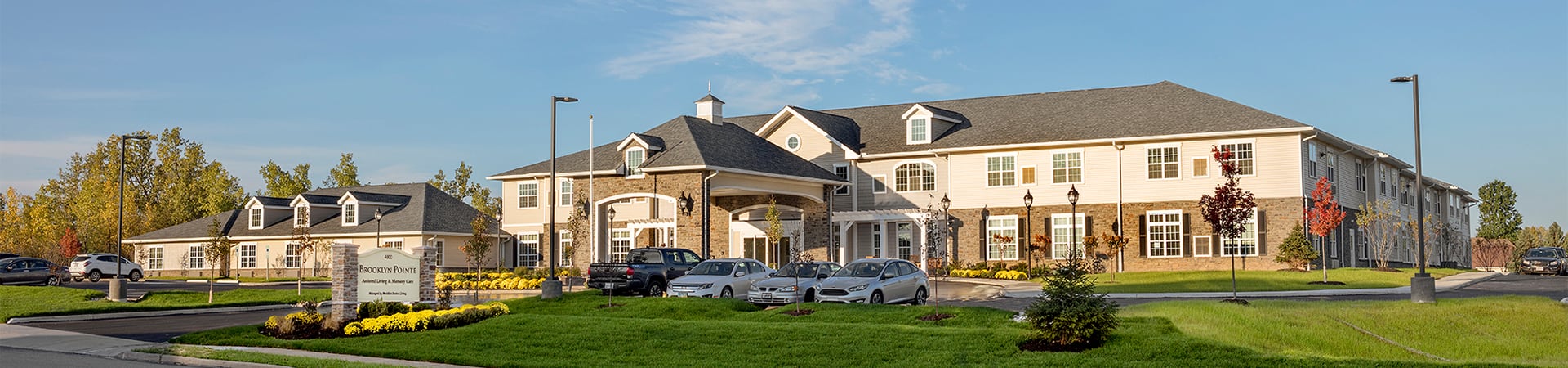
Understanding where a loved one falls on the FAST Scale allows families to plan ahead rather than react to sudden changes. It can highlight when additional support may improve safety, comfort, or quality of life. This foresight makes transitions smoother and decisions more confident.Here at Brooklyn Pointe, we’re here to support families through every stage of the journey. If you have questions about dementia care or want to learn more about our community, we can help. Book a tour with us today, and together, let’s make a difference.


