
You want your loved one to stay independent, but you also want them to stay safe. Driving sits right in the middle of that tension. For many older adults, a license represents freedom and control, so bringing up the topic can feel uncomfortable or even confrontational.
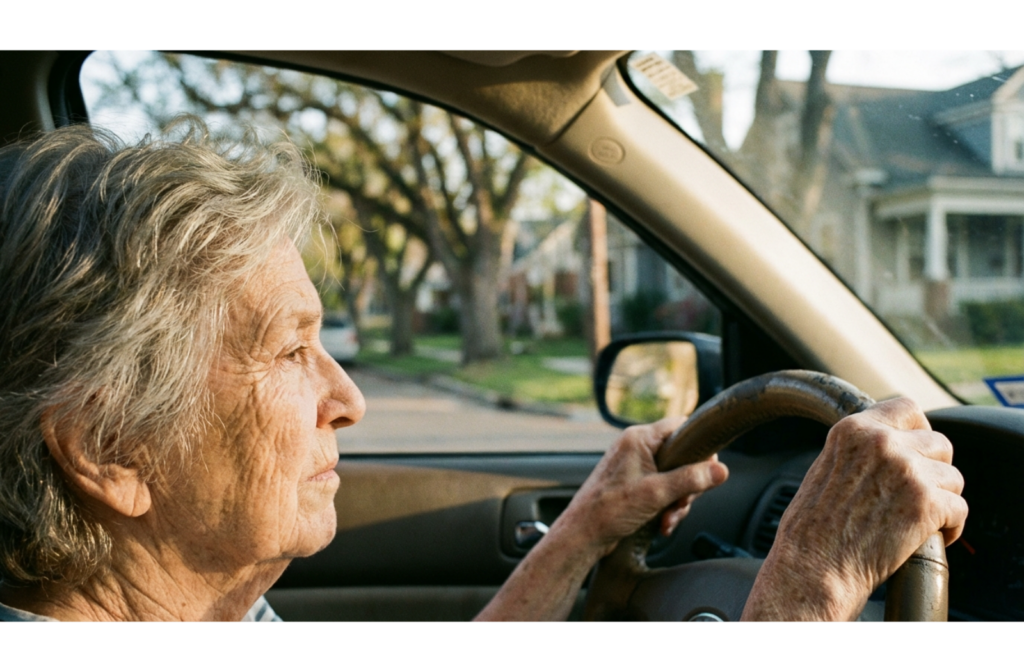
There isn’t a specific age when someone should stop driving. Instead, it comes down to recognizing changes over time and knowing when those changes begin to affect safety. With the right approach, you can have a thoughtful, respectful conversation and help your loved one stay active in new ways.
Key Takeaways
- Look for a pattern of new driving habits, like slower response times or minor scrapes, as a signal to talk about safety.
- Approach the conversation with care by choosing a private setting, focusing on observations, and listening to your loved one’s point of view.
- Explore alternative transportation options like ride-share apps or community services to keep life active and independent.
- Senior living communities often provide built-in transportation and social opportunities, which can reduce the need for personal driving.
How to Recognize if a Senior Has Trouble Driving
Changes in driving ability often happen gradually. One mistake may not mean much, but repeated patterns can signal it’s time to take a closer look. Paying attention early helps you approach the conversation from a place of care rather than urgency.
Difficulty Navigating Familiar Routes
Getting lost on roads your loved one has driven for years can be one of the earliest signs of concern. They may miss turns, forget directions, or seem unsure even in familiar areas. This can point to changes in memory or focus that make driving less predictable. When navigation becomes inconsistent, it raises the risk of confusion in more complex situations.
Slower Reaction Times
Driving requires quick decisions, especially in busy traffic or at intersections. If your loved one hesitates at lights, brakes late, or seems slow to respond to other drivers, it may indicate reduced reaction time. These delays can make it harder to adjust to sudden changes on the road. Over time, even small delays can increase the likelihood of an accident.
Frequent Minor Accidents or Close Calls
New dents, scrapes, or close calls in parking lots and driveways can signal a shift in awareness or control. While anyone can make a mistake, repeated incidents suggest a pattern worth addressing. These smaller issues often appear before more serious accidents occur. Taking them seriously early can help prevent larger safety concerns.
Trouble Managing Pedals or Controls
Confusing the gas and brake pedals or struggling with basic controls is a more serious warning sign. These issues may be linked to physical limitations or cognitive changes that affect coordination. Even occasional mistakes can create dangerous situations. When control becomes inconsistent, driving may no longer be safe.
Increased Anxiety or Avoidance While Driving
Some older adults begin avoiding certain conditions, like night driving, highways, or heavy traffic. They may express stress, frustration, or a lack of confidence behind the wheel. While some caution is normal, growing anxiety can indicate that driving feels overwhelming. When someone no longer feels comfortable driving, it’s often time to talk about alternatives.

How to Start the Conversation About Driving
This conversation works best when it feels supportive rather than corrective. The goal isn’t to take something away, but to help your loved one stay safe and maintain their quality of life.
Choose the Right Time and Setting
Timing can shape how the conversation unfolds. Look for a quiet, private moment when neither of you feels rushed or stressed. Avoid bringing it up immediately after a driving mistake, when emotions may already be high. A calm setting makes it easier to have a thoughtful, balanced discussion.
Focus on Safety, Not Control
How you frame the conversation matters. Instead of telling your loved one what they should do, share specific observations and concerns. For example, mentioning a recent close call feels more supportive than making a general statement about their ability. Keeping the focus on safety helps avoid defensiveness and keeps the discussion grounded.
Listen to Their Perspective
Your loved one may already have concerns about their driving, even if they haven’t said them out loud. Give them space to share how they feel, and listen without interrupting. Acknowledging their perspective shows respect and builds trust. When people feel heard, they are more open to considering changes.
How to Help a Senior Get Around Without Driving
Stopping driving doesn’t mean your loved one has to give up their independence. With the right support in place, they can continue running errands, attending appointments, and staying socially connected without relying on a personal vehicle.
Some ways you can help include:
- Using ride-share apps or local taxi services for flexible, on-demand transportation
- Looking into senior transportation programs offered by the local community or county
- Coordinating rides with family members or close friends
- Scheduling recurring transportation for appointments or regular activities
- Exploring public transportation options that are accessible and easy to navigate
- Choosing a senior living community that offers scheduled transportation services
With a plan in place, getting around can remain simple, consistent, and stress-free, even without driving.
A Path Forward with Support and Connection
Letting go of driving can feel like a major shift, but it doesn’t have to mean giving up independence. With the right support, your loved one can continue enjoying their daily routine, staying connected, and participating in the activities that matter most. This transition is about prioritizing safety while preserving quality of life.
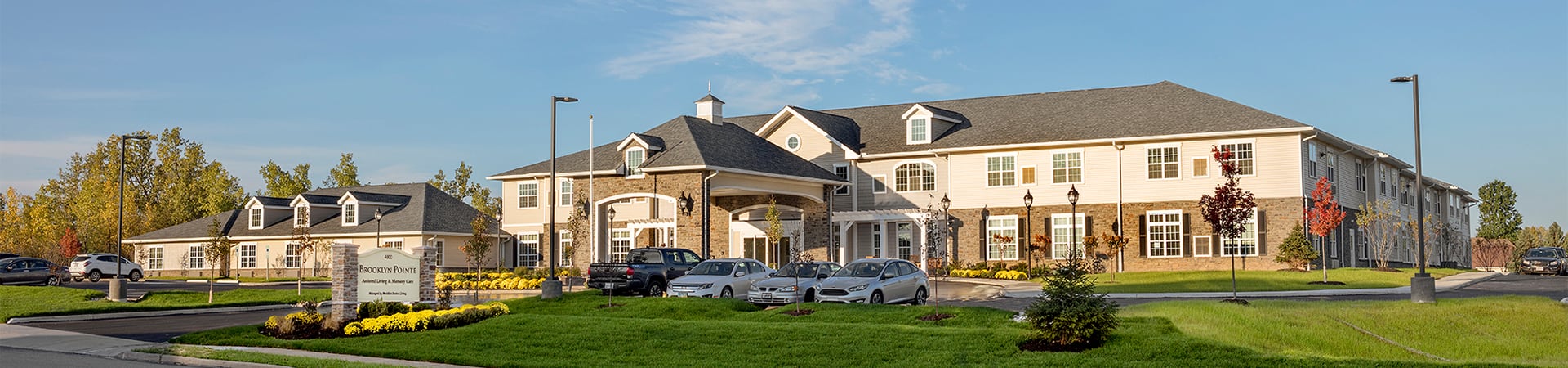
At Brooklyn Pointe Assisted Living & Memory Support, residents have access to transportation, social opportunities, and personalized support that make daily life easier and more engaging. Instead of focusing on what’s changing, it becomes easier to focus on what’s still possible. Schedule a tour with us today to learn more about how we support safe, active living.


